






ETGE criticises China’s role in UN Islamophobia observance
Summary: Exile government says China’s UN stance conflicts with documented religious restrictions in East Turkistan.
By The East Turkistan Post Staff | April 10, 2026
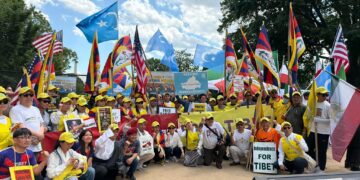
WASHINGTON — East Turkistan, what Beijing calls “Xinjiang (New Territory),” is at the centre of a new dispute. The East Turkistan Government in Exile (ETGE) has criticised China’s participation in the International Day to Combat Islamophobia. The group says Beijing’s position at the United Nations conflicts with documented restrictions on religious practice affecting Muslim communities in the territory.
China joined more than 100 UN member states in supporting the resolution designating March 15 as the International Day to Combat Islamophobia. Chinese representatives described the initiative as part of efforts to promote religious tolerance. State media presented China’s domestic policies as contributing to social harmony and stability.
ETGE says official statements conflict with documented restrictions
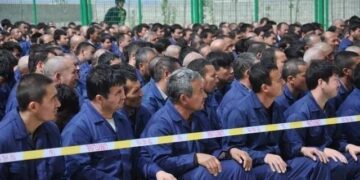
The ETGE said China’s statements are inconsistent with findings from international researchers and rights organisations. Those findings document restrictions on religious expression in East Turkistan. The group cited reports describing mosque closures, demolitions, limits on religious education, and surveillance measures targeting Muslim populations.
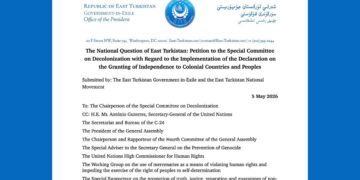
“China’s participation in international initiatives on Islamophobia contradicts its domestic policies toward Muslim communities,” the ETGE said in its statement.
Moreover, estimates on the scale of mosque demolitions and detentions vary among sources. Research institutions and media investigations have reported large-scale changes to religious infrastructure. However, precise figures remain difficult to verify independently. Access restrictions inside East Turkistan limit on-the-ground confirmation.
Exile group cites broader religious and social policies
The ETGE further stated that policies affecting Uyghurs and other native Muslim communities include family separation, population control measures, and long-term detention. These claims align with findings published by several international research bodies and human rights organisations. Those groups have raised concerns about coercive governance practices in East Turkistan.
In contrast, Chinese authorities consistently reject all allegations of abuse. Officials state that measures in East Turkistan counter extremism, reduce poverty, and promote development. They maintain that vocational training programmes and security policies comply with national law.
ETGE calls on Muslim-majority states to examine China’s UN role
The ETGE called on governments and international institutions to assess China’s role in global anti-discrimination initiatives. It pointed specifically to reported conditions inside East Turkistan as context for that assessment. Additionally, the group urged Muslim-majority member states to examine the consistency between their diplomatic positions at the UN and documented developments on the ground.
Independent verification of current conditions in East Turkistan remains limited. Foreign journalists and observers continue to face access restrictions across the territory.
The East Turkistan Post is an independent news publication. All claims are attributed to their respective sources. Access restrictions inside East Turkistan limit independent on-the-ground verification.
