
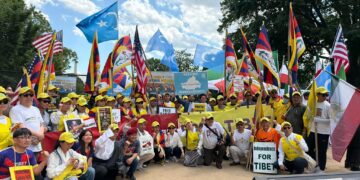



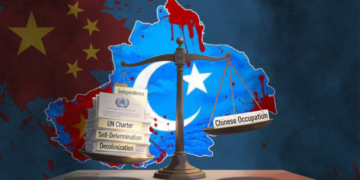


While welcoming recognition of Turkic linguistic heritage, Uyghur scholars and political representatives say UNESCO’s new observance omits the systematic suppression of the Uyghur language in East Turkistan, what Beijing calls “Xinjiang (New Territory),” where language policy has become a central tool of colonial domination.
The decision was approved during UNESCO’s 43rd General Conference in Samarkand following a proposal by member states of the Organization of Turkic States, including Türkiye, Azerbaijan, Kazakhstan, Kyrgyzstan, and Uzbekistan, with more than two dozen additional countries acting as co-sponsors.
Recognition of Turkic linguistic heritage
The United Nations issued a statement marking the inaugural observance, saying the date commemorates a foundational moment in Turkic linguistic scholarship.
“The choice of 15 December is rooted in a landmark moment in linguistic scholarship. On that day in 1893, Danish linguist Vilhelm Thomsen announced he had deciphered the alphabet of the Orkhon Inscriptions—some of the oldest known written records of the Turkic language family. His breakthrough opened the door to a deeper understanding of a linguistic tradition that today connects dozens of communities across Eurasia.”
— United Nations, statement on World Turkic Language Family Day
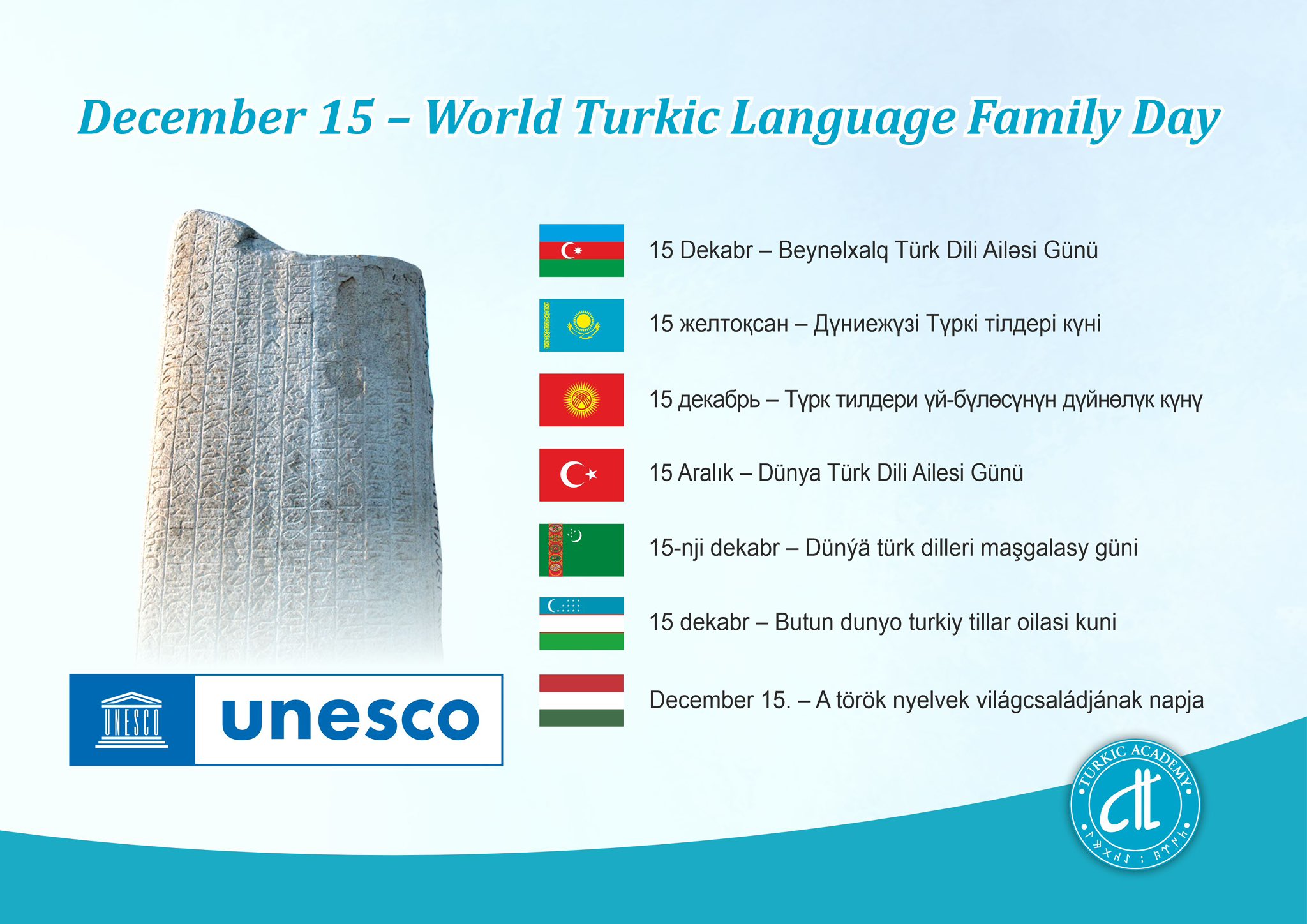
Member states and affiliated political and cultural organizations, such as the Organization of Turkic States, marked the day with public statements and events highlighting linguistic preservation, shared heritage, and initiatives, including the development of a Common Turkic Alphabet.
Uyghur language absent from official observance
Critics note that none of the official statements or promotional materials referenced the Uyghur language or the Uyghur homeland of East Turkistan, despite Uyghur being among the oldest and most historically documented Turkic languages.
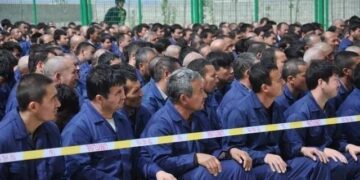
The omission comes as the Uyghur language faces extensive restrictions in East Turkistan, where Chinese authorities have sharply curtailed Uyghur-language education, replaced textbooks, and imposed Mandarin Chinese as the primary language of instruction and public life.
Uyghur scholars emphasize that the region has historically been a central hub of Turkic intellectual and literary production, including seminal works such as Dīwān Lughāt al-Turk by Mahmud al-Kashgari and Qutadghu Bilig by Yusuf Has Hajib.
Exile government condemns exclusion
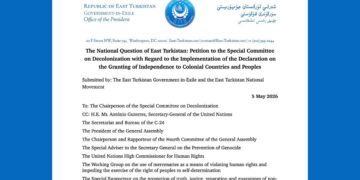
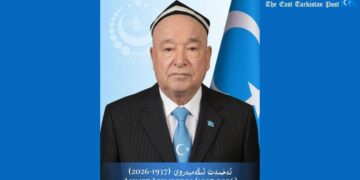
Dr. Mamtimin Ala, President of the East Turkistan Government-in-Exile, said the exclusion undermines the credibility of any claim to Turkic unity. Ala added that the omission undermines the moral and historical basis of the observance at a time when Uyghurs face ongoing genocide and crimes against humanity.
In its promotional materials, the Uyghur language and the flag of East Turkistan are excluded.Without Uyghur as one of the oldest languages in the Turkish/Turkic world, no Turkic language family is complete, genuine, or meaningful. With the unfolding tragedy of Uyghurs and the silence of the entire Turkish/Turkic world about it, no Turkic community—whether cultural, linguistic, political or otherwise—holds any real significance as long as they live under the fear and threat of China.”
— Dr. Mamtimin Ala, President, East Turkistan Government-in-Exile
Observers say the controversy highlights the tension between symbolic cultural recognition and political reality, warning that international heritage initiatives risk losing legitimacy when they avoid addressing the active suppression of the communities they claim to represent.

