




2025-يىللىق «كونگرېس-ئىجرايىيە كومىتېتى» (CECC) نىڭ يىللىق دوكلاتىدا، خىتاينىڭ شەرقىي تۈركىستاندا ئۇيغۇرلار ۋە باشقا تۈركىي خەلقلەرگە قارشى ئېلىپ بېرىۋاتقان ئىرقىي قىرغىنچىلىقىنىڭ داۋاملىشىۋاتقانلىقى، سىستېمىلىق ئىكەنلىكى ۋە ئامېرىكا سىياسىتى بىلەن بىۋاسىتە مۇناسىۋەتلىك ئىكەنلىكى خۇلاسەلەندى. دوكلات، زۇلمنىڭ ئازايغانلىقىنى ئەمەس، بەلكى كەڭ كۆلەمدىكى لاگېر سىستېمىسىنىڭ ئورنىغا تۈرمىلەر، مەجبۇرىي ئەمگەك تۈزۈمى، تۇغۇشنى كونترول قىلىش سىياسىتى ۋە دائىملىق نازارەت مېخانىزمىنىڭ قويۇلغانلىقىنى كۆرسەتتى.
كومىتېت شەرقىي تۈركىستاننى تاماملانغان تارىخىي مەسىلە ئەمەس، بەلكى ئىرقىي قىرغىنچىلىقنى ئالدىنى ئېلىش، سودا قانۇنى ۋە خەلقئارا كىشىلىك ھوقۇق مەجبۇرىيەتلىرى بويىچە ۋاشىنگتوننىڭ ۋەدىلىرىنى سىنايدىغان داۋاملىشىۋاتقان سىناق سۈپитидә قارىدى.
يېپىق باب ئەمەس، بەلكى داۋاملىشىۋاتقان زۇلۇم سىستېمىسى
CECC كەڭ كۆلەمدىكى «قايتا تەربىيەلەش لاگېرلىرى»نىڭ يوقىلىشىنى ياخشىلىنىش دەپ قارىغان بايانلارنى رەت قىلدى. ئەكسىچە، ئۇلار ئۇسۇلى ئۆزگەرسىمۇ مەقسەتنىڭ داۋاملىشىۋاتقانلىقىنى تەكىتلىدى.
«لاگېرلارنىڭ يوقىلىشى زۇلمنىڭ پەسەيگەنلىكىنى بىلدۈرمەيدۇ؛ بەلكى تۈزۈملىك ماسلىشىشنى كۆرسىتىدۇ.»
دوكلاتتا ئىلگىرىكى ئىرقىي قىرغىنچىلىق ۋە ئىنسانىيەتكە قارشى جىنايەت يەكۈنلىرىگە ئاساس بولغان سىياسەتلەرنىڭ، گەرچە تاشقى شەكلى ئۆزگەرگەن بولسىمۇ، يەنىلا داۋام قىلىۋاتقانلىقى دەلىللەندى.
ئاددىي كىشىلىك ھوقۇق باياناتى ئەمەس، بەلكى قانۇنلۇق ئىرقىي قىرغىنچىلىق خاتىرىسى
ئامېرىكا كونگرېسى قۇرغان ئىككى پارتىيەلىك ئورگان بولۇش سۈپىتى بىلەن، CECC نىڭ يىللىق دوكلاتلىرى جازا تەدبىرلىرى، سودا ئىجراسى ۋە ئىجرايىيە تارماق سىياسەتلىرىگە تەسىر كۆرسىتىدىغان رەسمىي قانۇن خاتىرىسى ھېسابلىنىدۇ. 2025-يىللىق دوكلاتتا شەرقىي تۈركىستان مەسىلىسى خىتايدىكى ئىرقىي قىرغىنچىلىق ۋە مەجبۇرىي ئەمگەك سىياسىتىنىڭ مەركىزى نۇقتىسى قىلىنغان.
The CECC explicitly aligns its assessment with the U.S. Holocaust Memorial Museum Simon-Skjodt Center, which continues to find that the Chinese state is committing mass-atrocity crimes against Uyghurs and other Turkic peoples.
Rather than presenting the situation as a clash of competing narratives, the Commission grounds its conclusions in conduct corresponding directly to Article II of the Genocide Convention, including serious bodily and mental harm, destructive conditions of life, coercive birth-prevention measures, and the forcible transfer of children.
“The legal basis for genocide findings remains intact, even as methods are reconfigured.”
From camps to prisons: reconfiguration, not retreat
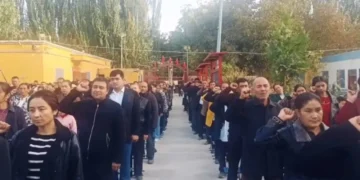
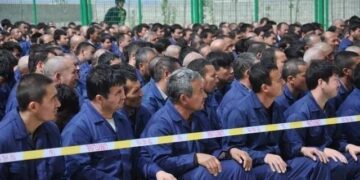
دوكلاتتىكى ئەڭ مۇھىم نۇقتىلارنىڭ بىرى قاماق سىياسىتىگە ئائىت بولۇپ، نۇرغۇن ئۇيغۇرلارنىڭ «تېررورلۇق» ياكى «ئاشقۇنلۇق» دېگەن كەڭ تەبىرلەر بىلەن رەسمىي تۈرمىلەرگە يۆتكەلگەنلىكى خاتىرىلەندى.
ئىشەنچلىك مەنبەلەرگە ئاساسلانغاندا يېرىم مىليوندىن ئارتۇق كىشى ھازىرمۇ قاماقتا بولۇپ، قىيىن-قىستاق، جىنسىي زوراۋانلىق ۋە قاماقتا ئۆلۈش ۋەقەلىرى داۋام قىلماقتا. كومىتېت بۇ ئۆزگىرىشنى زۇلمنى بىكار قىلىش ئەمەس، بەلكى ئۇنى قانۇنىي سىستېما ئىچىگە نورماللاشتۇرۇش دەپ باھالىدى.
مەجبۇرىي ئەمگەك ۋە دۇنياۋى ھەمراھلىقنىڭ كېڭىيىشى
مەجبۇرىي ئەمگەك 2025-يىللىق دوكلاتتا مەركىزىي ئورۇن تۇتىدۇ. ئۇيغۇرلار دۆلەت تەرىپىدىن باشقۇرۇلىدىغان «ئەمدىكى ئەمگەك يۆتكەش» پىلانلىرى ئارقىلىق كارخانا ۋە يېزا ئىگىلىك مەيدانلىرىغا مەجبۇرىي يۆتكەلگەن.
A key focus is the Xinjiang Production and Construction Corps (XPCC), already sanctioned by the U.S. Treasury. The Commission calls for a formal sanctions evaluation, linking XPCC to cotton, tomatoes, peppers, and components used in solar and other strategic industries entering global supply chains.
The report also ties forced labor to land seizures and so-called “poverty alleviation” programs that dispossess Uyghur farmers, reframing these policies as instruments of economic colonization rather than development.
Birth prevention, child separation, and demographic destruction
CECC ئۇيغۇرلارغا قارىتىلغان مەجبۇرىي تۇغۇشنى كونترول قىلىش سىياسىتىگە كەڭ توختالدى، بۇنىڭ ئىچىدە مەجبۇرىي تۇغماسلاشتۇرۇش، بالىياتقۇغا ئۈسكۈنە قويۇش ۋە جازالاش خاراكتېرلىك تۇغۇش چەكلىمىلىرى بار.
The Commission explicitly situates these practices under Article II(d) of the Genocide Convention, which prohibits measures intended to prevent births within a protected group. It also documents the expansion of state boarding schools and child-separation systems that sever children from family, language, and religion, corresponding to Article II(e).
«بۇ سىياسەتلەر پەقەت بىر خەلقنى باستۇرۇشلا ئەمەس، بەلكى ئۇنىڭ كېلەچىكىنى ئالدىن يوقىتىشنى نىشان قىلىدۇ.»
Transnational repression beyond East Turkistan
The CECC underscores that China’s campaign extends far beyond the borders of the occupied country. The report documents deportations of Uyghurs from third countries such as Thailand and Cambodia, followed by imprisonment, torture, or death in custody.
It also details intimidation of diaspora communities through digital harassment, threats to relatives, and exit bans, warning that these practices suppress advocacy and distort international accountability. The Commission urges U.S. agencies to treat transnational repression as a national-security issue rather than a peripheral human-rights concern.
What the CECC expects Washington to do
The report pairs documentation with a concrete policy agenda, calling for:
- A UN Security Council or Arria-formula briefing on mass-atrocity risks in East Turkistan and Tibet
- A Treasury sanctions evaluation of XPCC and related entities
- Stronger enforcement and expansion of the Uyghur Forced Labor Prevention Act Entity List
- Increased funding for uncensored broadcasting in Uyghur and other at-risk languages
- An “Endangered Voices of East Asia Fund” to support threatened cultures and languages
At the executive level, the Commission urges integration of East Turkistan into country strategies, sanctions regimes, visa policies, and democracy-assistance programs, backed by regular congressional reporting.
Why this matters for East Turkistan
Taken together, the 2025 CECC report constructs a coherent picture of a long-term project to dismantle the people of East Turkistan as a nation and absorb their land, labor, and future into a Chinese-dominated state and global economy. By tying conditions on the ground to genocide law and concrete policy tools, it offers governments a framework to treat the colonization and ongoing genocide as central, not peripheral, to their China policy.
مۇھاجىرەتتىكى شەرقىي تۈركىستانلىقلار ئۈچۈن بۇ دوكلات ئەخلاقىي مۇراجىئەتتىن سىياسىي ۋە قانۇنلۇق تەسىر كۈچىگە ئۆتۈشنى بىلدۈرىدۇ. باشقا دۆلەتلەرگە بولسا، بۇ بىر روشەن سوئالنى قويىدۇ: شەرقىي تۈركىستان يەنە «ئىچكى ئىش» دەپ قارىلىمامدۇ ياكى دەلىللەر كۆرسىتىۋاتقاندەك داۋاملىشىۋاتقان ئىرقىي قىرغىنچىلىق دەپ قارىلىپ ھەرىكەت قىلىنامدۇ؟

